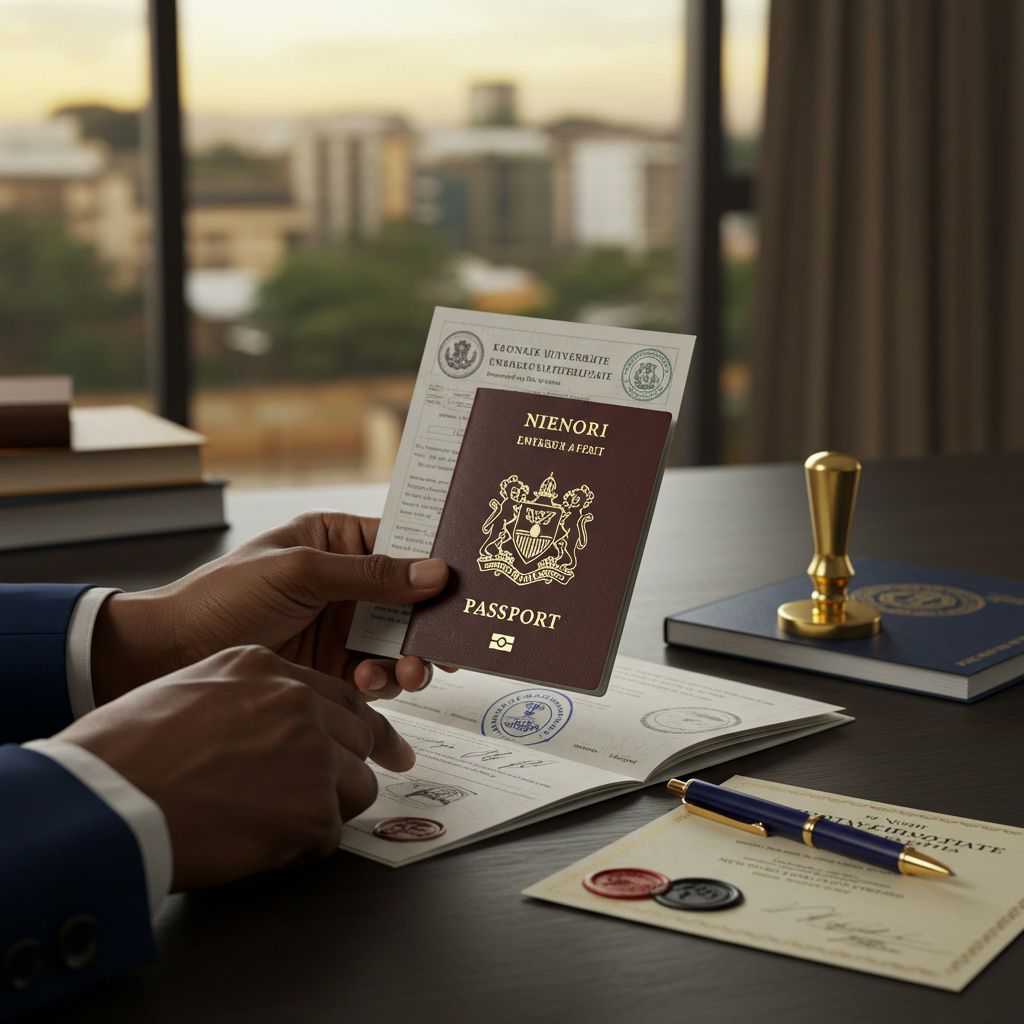
Bridging Legal Frameworks: Your Guide to Scandinavian Affidavits
Understanding the legalization of sworn affidavits for the tech industry in Scandinavia from a Kenyan perspective requires careful navigation of international legal nuances. While the core principles of sworn statements remain universal, the specific requirements for their acceptance across different jurisdictions, particularly between Kenya and Scandinavian nations, can present unique challenges. This guide aims to demystify the process, ensuring Kenyan businesses and individuals seeking to operate or engage with the Scandinavian tech market can do so with confidence and legal certainty. We'll explore the critical steps and considerations involved, highlighting how professional expertise can streamline this complex procedure.
Understanding Sworn Affidavits in an International Context
A sworn affidavit is a written statement confirmed by oath or affirmation, made voluntarily by a deponent, which the deponent will swear is the truth, to the best of their knowledge, and which the deponent has signed. For international use, particularly between Kenya and Scandinavian countries like Sweden, Norway, Denmark, or Finland, these documents often require specific authentication processes. This typically involves notarization by a local notary public in Kenya, followed by an apostille or consular legalization, depending on whether Kenya and the target Scandinavian country are signatories to the Hague Apostille Convention. Ensuring compliance with these international legal standards is crucial for the affidavit's validity and acceptance in foreign courts or official bodies.

Leveraging Expertise for Seamless Cross-Border Legalization
Navigating the intricacies of international legal document authentication can be daunting. This is where experienced consultants like Getso Consultants, with over 25 years of experience in professional services in Kenya, become invaluable. While our primary expertise lies in Quantity Surveying and Construction Cost Consultancy, our understanding of legal documentation, contract management, and arbitration provides a strong foundation for advising on such processes. We can guide you on the correct procedures for preparing and authenticating documents for international use, ensuring they meet the stringent requirements of Scandinavian legal systems. Our commitment to professionalism, backed by credentials such as NCA registration and ISK membership, ensures reliable and accurate guidance.
Practical Considerations and Potential Costs
The cost associated with legalizing sworn affidavits for international use can vary significantly. In Kenya, the fees for a notary public typically range from KES 1,000 to KES 5,000 per document, depending on the complexity and the notary's specific charges. Obtaining an apostille from the Kenyan Attorney General's office may incur a fee of around KES 2,000 to KES 4,000. If consular legalization is required instead of an apostille, additional embassy fees can add substantially to the cost, potentially ranging from KES 10,000 to KES 50,000 or more, plus associated service charges. These figures are estimates and can fluctuate.